Introduction:
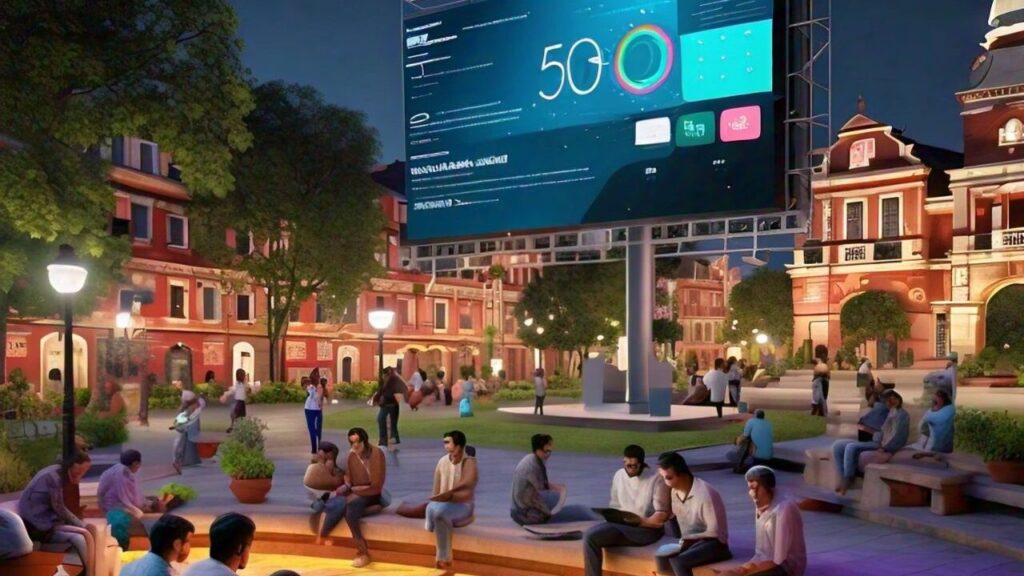
Digital India, a flagship program launched in 2015, has revolutionized the country’s digital landscape. The initiative aims to bridge the digital divide, foster inclusivity, and transform India into a knowledge economy. Today, India is witnessing a significant surge in digital adoption, driven by innovative technologies and evolving consumer behaviors.
Latest Trends:
- Artificial Intelligence (AI) and Machine Learning (ML):AI and ML are being increasingly adopted across industries, enabling businesses to automate processes, enhance customer experiences, and drive growth.
- 5G and Edge Computing:The rollout of 5G networks and edge computing is set to transform the digital landscape, enabling faster data processing, reduced latency, and new use cases like IoT and smart cities.
- Digital Payments and Fintech:India has seen a significant rise in digital payments, driven by mobile wallets, UPI, and contactless transactions. Fintech companies are also innovating with lending, insurance, and investment platforms.
- E-commerce and Social Commerce:E-commerce continues to grow, with social media platforms emerging as key channels for product discovery and purchases.
- Cybersecurity and Data Privacy:As digital adoption increases, cybersecurity and data privacy have become top priorities, with businesses investing in robust security measures and adhering to data protection regulations.
- Remote Work and Virtual Collaboration:The pandemic has accelerated the shift to remote work, with digital tools and platforms enabling seamless collaboration and productivity.
- Digital Healthcare and Telemedicine:Digital healthcare has become increasingly important, with telemedicine platforms, health apps, and wearables transforming the way Indians access healthcare services.
Conclusion:
Digital India has made significant strides in recent years, and these trends are expected to shape the country’s digital future. As technology continues to evolve, we can expect even more innovative solutions to emerge, driving economic growth, inclusivity, and a digitally empowered society.